Easy kitchen cleaning hacks remove grease stains are essential for maintaining a hygienic and inviting culinary space. Grease, a common byproduct of cooking, can quickly accumulate on surfaces, creating unsightly messes and potentially harboring bacteria. This guide provides a comprehensive approach to tackling kitchen grease, from understanding its composition and preventing build-up to employing effective natural and commercial cleaning solutions.
We will explore techniques for removing both fresh splatters and stubborn, baked-on residue, tailored to different kitchen surfaces. Furthermore, we’ll delve into maintaining a consistently clean kitchen through long-term strategies and preventative measures, ensuring your kitchen remains a pleasant and efficient area for food preparation.
Understanding Kitchen Grease & Stains
A sparkling clean kitchen is a joy, but battling grease and stains is a common challenge for any home cook. Understanding what kitchen grease
-is* and how it behaves is the first step towards effectively tackling it. Grease isn’t just one thing; it’s a complex mixture of fats, oils, and other food particles. This understanding will help you choose the right cleaning methods and prevent build-up in the first place.
The Composition of Common Kitchen Grease
Kitchen grease primarily consists of triglycerides – molecules made up of glycerol and fatty acids. The type of fatty acid determines whether the grease is solid or liquid at room temperature. For example, saturated fats (like those found in butter and bacon grease) are solid, while unsaturated fats (like olive oil and vegetable oil) are liquid. These fats adhere to surfaces through a combination of physical and chemical forces.
The oiliness allows them to spread, while the fat molecules interact with the surface, creating a sticky bond. Food particles, like proteins and carbohydrates, further contribute to the stickiness and complexity of the stain.
Types of Grease Stains & Difficulty Levels
Grease stains aren’t all created equal. The type of stain significantly impacts how easy it is to remove. Cooked-on grease, resulting from high-heat cooking, is the most challenging. The heat polymerizes the fats, essentially baking them onto the surface and creating a hardened, difficult-to-break bond. Splattered grease, common during frying, is easier to address when tackled immediately, but can become stubborn if left to sit.
Oily residue, from things like salad dressings or oil spills, is generally the easiest to clean, as it hasn’t been altered by heat.
The Impact of Time on Grease Stain Removal
Delay is the enemy when it comes to grease stains. Fresh grease is far easier to remove than aged grease. Over time, grease oxidizes and becomes rancid, making it harder to dissolve and potentially leaving behind a lingering odor. Furthermore, dust and other particles accumulate within the grease, adding to the cleaning challenge. The longer you wait, the more likely the grease is to bond permanently with the surface, requiring more aggressive cleaning methods.
Chemical Properties of Various Kitchen Grease Sources
Different grease sources have varying chemical compositions, impacting their viscosity and how readily they stain. Here’s a comparison:
| Grease Source | Primary Composition | Viscosity | Stain Persistence |
|---|---|---|---|
| Olive Oil | Monounsaturated Fats | Low | Low-Medium |
| Vegetable Oil | Polyunsaturated Fats | Low | Low-Medium |
| Bacon Grease | Saturated & Unsaturated Fats, Proteins | Medium-High (solidifies when cool) | High |
| Butter | Saturated Fats, Water, Milk Solids | Medium (softens with heat) | Medium-High |
Immediate Action: Preventing Grease Build-Up: Easy Kitchen Cleaning Hacks Remove Grease Stains
The most effective way to deal with kitchen grease is to prevent it from becoming a major problem in the first place. Proactive measures and a consistent cleaning routine can significantly reduce the amount of grease you need to tackle. Think of it as a little bit often, rather than a huge clean-up infrequently.
Preventative Measures During Cooking
Simple habits during cooking can make a big difference. Using splatter screens when frying prevents grease from escaping and coating surrounding surfaces. Wiping up spills immediately, before they have a chance to dry and harden, is crucial. Consider using cooking mats under appliances that tend to splatter, like bacon cookers. Also, avoid overcrowding the pan, as this increases the likelihood of splattering.
Routine Cleaning Schedule for High-Grease Areas
Establish a regular cleaning schedule. Daily: Wipe down stovetops and counters after each use. Weekly: Thoroughly clean the stovetop, backsplash, and range hood. Monthly: Deep clean the range hood filter and wipe down surrounding cabinets. Consistency is key – even a quick wipe-down each day can prevent significant build-up.
The Impact of Ventilation on Grease Dispersal
Proper ventilation is essential for removing grease-laden air from the kitchen. A functioning range hood effectively captures grease particles and prevents them from settling on surfaces. Ensure your range hood is turned on during cooking, especially when frying or using high heat. Regularly clean or replace the range hood filter to maintain its effectiveness. Poor ventilation leads to increased grease build-up and a potentially unhealthy kitchen environment.
Tools for Quick Grease Wipe-Downs
Having the right tools on hand makes quick grease clean-ups much easier:
- Microfiber Cloths: Highly absorbent and effective at trapping grease without leaving streaks.
- Degreasing Wipes: Convenient for quick spot cleaning of stovetops, counters, and appliances.
- Spray Bottles: Ideal for dispensing homemade or commercial cleaning solutions.
- Scrub Brushes (soft bristles): Useful for loosening grease from textured surfaces.
- Plastic Scrapers: Helpful for removing stubborn grease without scratching surfaces (more on this later!).
Natural Cleaning Solutions for Grease
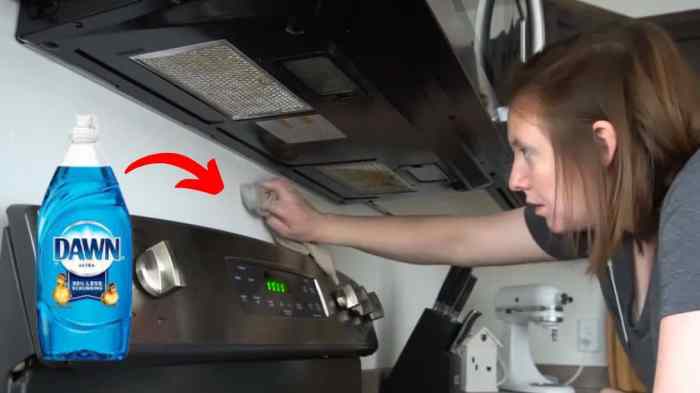
Source: diyjoy.com
You don’t always need harsh chemicals to effectively cut through grease. Many common household ingredients possess excellent degreasing properties. These natural solutions are often safer, more environmentally friendly, and can be just as effective as commercial products.
Homemade Grease-Cutting Cleaners
Here are a few effective recipes:
- Vinegar Solution: Mix equal parts white vinegar and water in a spray bottle.
- Baking Soda Paste: Combine baking soda with a small amount of water to form a paste.
- Lemon Juice & Dish Soap: Mix 2 tablespoons of lemon juice with 1 tablespoon of dish soap and 1 cup of water.
- Dish Soap & Hot Water: A simple but effective solution for general grease cleaning.
Chemical Reactions with Grease
These natural ingredients work through different chemical mechanisms. Vinegar (acetic acid) helps to break down grease and dissolve mineral deposits. Baking soda (sodium bicarbonate) is a mild abrasive that helps to lift grease and grime. It also reacts with acidic grease, forming salts that are easily rinsed away. Lemon juice (citric acid) acts as a natural solvent, breaking down grease and leaving a fresh scent.
Dish soap contains surfactants that emulsify grease, allowing it to be washed away with water.
Application on Different Kitchen Surfaces
Always test any cleaning solution in an inconspicuous area first. Stainless steel: Vinegar solution or dish soap and water work well. Wipe with the grain to avoid streaks. Ceramic: Baking soda paste or lemon juice and dish soap are effective. Granite: Use a mild dish soap and water solution.
Avoid acidic cleaners like vinegar or lemon juice, as they can etch the surface.
Effectiveness of Natural Cleaners on Various Grease Types
Here’s a table summarizing the effectiveness of each cleaner:
| Cleaner | Grease Type | Application Method | Effectiveness Rating (1-5) |
|---|---|---|---|
| Vinegar Solution | Oily Residue, Splattered Grease | Spray and wipe | 3 |
| Baking Soda Paste | Cooked-on Grease, Stubborn Stains | Apply, let sit, scrub, rinse | 4 |
| Lemon Juice & Dish Soap | Splattered Grease, Light Residue | Spray and wipe | 3.5 |
| Dish Soap & Hot Water | Oily Residue, Fresh Splatters | Apply with cloth, scrub, rinse | 3 |
Commercial Degreasers: A Comprehensive Look
When natural solutions aren’t enough, commercial degreasers can provide a more powerful cleaning punch. However, it’s important to understand the different types available and use them safely and effectively.
Types of Commercial Degreasers
Commercial degreasers come in various forms: Sprays are convenient for quick application on smaller areas. Foams cling to vertical surfaces, providing longer contact time. Gels are ideal for tackling stubborn, baked-on grease. Concentrates offer the most value, as they need to be diluted with water before use.
Comparing Active Ingredients
Different degreasers utilize different active ingredients. Solvent-based degreasers (containing ingredients like mineral spirits or citrus solvents) are highly effective at dissolving grease but can have strong odors and require good ventilation. Alkaline degreasers (containing ingredients like sodium hydroxide) work by saponifying grease, turning it into a soapy substance that can be easily rinsed away. They are effective but can be corrosive.
Enzyme-based degreasers use enzymes to break down grease molecules. They are environmentally friendly but may require longer contact times.
Safety Precautions
Source: spongehacks.com
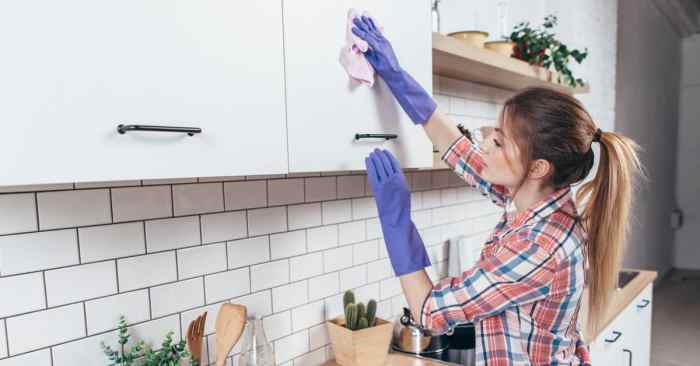
Always prioritize safety when using commercial degreasers. Ventilation: Ensure adequate ventilation by opening windows or using a fan. Gloves: Wear rubber gloves to protect your skin from irritation. Eye Protection: Wear safety glasses or goggles to prevent splashes from entering your eyes. Read the Label: Carefully read and follow the manufacturer’s instructions.
Dilution Ratios: Concentrated degreasers
-must* be diluted properly. Using too much degreaser can damage surfaces, leaving behind a residue or causing discoloration. Always follow the manufacturer’s recommended dilution ratio. A general guideline is to start with a weaker dilution and increase it gradually if needed. For example, a common dilution ratio is 1:10 (1 part degreaser to 10 parts water).
Tackling Stubborn, Baked-On Grease
Baked-on grease is the most challenging type of kitchen stain. It requires a combination of techniques to loosen the hardened residue and restore your surfaces to their former glory.
Techniques for Loosening Baked-On Grease
Several methods can help loosen baked-on grease. Steaming: Applying steam to the surface can help soften the grease. You can use a steamer or simply place a pot of boiling water nearby. Soaking: For removable items like oven racks, soaking them in hot, soapy water overnight can significantly loosen the grease. Using Heat: Gently warming the surface with a hairdryer (on a low setting) can help soften the grease, but be careful not to overheat it.
Creating & Applying a Baking Soda Paste
A baking soda paste is a powerful tool for removing stubborn grease. Mix baking soda with enough water to form a thick paste. Apply the paste to the greasy area and let it sit for at least 30 minutes, or even overnight for particularly stubborn stains. The baking soda will absorb the grease and help to lift it from the surface.
After the soaking period, scrub the area with a soft brush or sponge.
Plastic vs. Metal Scrapers
When removing baked-on residue, choose your scraper carefully. Plastic scrapers are ideal for most surfaces, as they are less likely to scratch. Metal scrapers can be used on very durable surfaces like cast iron, but use them with extreme caution to avoid damage. Always scrape at a shallow angle to minimize the risk of scratching.
Cleaning a Heavily Soiled Oven
Here’s a step-by-step guide to cleaning a heavily soiled oven:
- Remove oven racks and soak them in hot, soapy water.
- Apply a baking soda paste to the interior surfaces of the oven, avoiding heating elements.
- Let the paste sit overnight.
- Spray the interior with white vinegar. This will cause the baking soda to fizz.
- Scrub the oven with a sponge or brush.
- Rinse thoroughly with water.
- Clean the oven racks and replace them.
Surface-Specific Grease Removal Techniques
Different kitchen surfaces require different cleaning approaches. Using the wrong method can damage the surface or leave behind unsightly streaks.
Cleaning Stainless Steel Appliances
Stainless steel is prone to streaks. To prevent them, always wipe with the grain. Use a stainless steel cleaner or a mixture of vinegar and water. After cleaning, buff the surface with a clean, dry microfiber cloth to restore its shine. Avoid abrasive cleaners, as they can scratch the surface.
Cleaning Range Hoods & Filters
Range hoods and filters accumulate a significant amount of grease. Disassemble the filter and soak it in hot, soapy water. For stubborn grease, use a degreaser. Scrub the filter with a brush to remove the grease. Clean the range hood exterior with a degreasing wipe or a stainless steel cleaner.
Ensure the filter is completely dry before reassembling.
Cleaning Greasy Tile & Grout
Greasy tile and grout can be challenging to clean. Use a tile and grout cleaner or a mixture of baking soda and water. Apply the cleaner to the grout lines and let it sit for a few minutes. Scrub the grout with a brush. For heavily soiled areas, consider using a steam cleaner.
Rinse thoroughly with water.
Do’s and Don’ts for Cleaning Different Surfaces
Here’s a quick reference guide:
| Surface Type | Recommended Cleaner | Application Method | Avoid |
|---|---|---|---|
| Stainless Steel | Stainless Steel Cleaner, Vinegar Solution | Wipe with the grain, buff dry | Abrasive Cleaners, Steel Wool |
| Ceramic Tile | Dish Soap & Water, Tile Cleaner | Scrub with brush, rinse | Abrasive Cleaners, Acidic Cleaners |
| Granite | Mild Dish Soap & Water | Wipe gently, rinse | Vinegar, Lemon Juice, Abrasive Cleaners |
| Painted Cabinets | Dish Soap & Water | Wipe gently, rinse | Abrasive Cleaners, Harsh Chemicals |
Deep Cleaning the Kitchen Sink & Drain
The kitchen sink and drain are often overlooked, but they can harbor significant amounts of grease. This build-up can lead to unpleasant odors and even clogs.
Grease Build-Up in Drains & Clogs
Grease solidifies as it cools, clinging to the walls of the drainpipe. Over time, this build-up restricts water flow and can eventually cause a complete blockage. Pouring grease down the drain is a major contributor to plumbing problems.
Flushing Grease with Hot Water & Dish Soap
To prevent grease build-up, periodically flush the drain with hot water and dish soap. Run hot water for several minutes while adding a generous amount of dish soap. The hot water helps to melt the grease, while the dish soap emulsifies it, allowing it to be washed away.
Baking Soda & Vinegar for Clogs
For minor clogs, try this natural solution: Pour 1 cup of baking soda down the drain, followed by 1 cup of white vinegar. Let the mixture fizz for 30 minutes, then flush with hot water. The chemical reaction between the baking soda and vinegar helps to break down the grease clog.
Cleaning & Degreasing the Kitchen Sink
To clean and degrease a stainless steel or composite sink, use a mild dish soap and water. Scrub the sink with a sponge or brush. For stubborn stains, use a baking soda paste. Rinse thoroughly with water and dry with a clean cloth. Avoid abrasive cleaners, as they can scratch the surface.
Maintaining Cleanliness: Long-Term Strategies
Keeping your kitchen clean isn’t just about tackling messes as they happen; it’s about incorporating grease-fighting habits into your daily routine. A little prevention goes a long way.
Incorporating Grease-Fighting Habits
Make wiping down surfaces after each use a habit. Regularly clean the stovetop, backsplash, and range hood. Don’t let spills sit – address them immediately. Establish a weekly deep cleaning routine to tackle any accumulated grease. These small, consistent efforts will prevent grease from becoming a major problem.
Splatter Screens & Cooking Mats
Using splatter screens when frying significantly reduces grease dispersal. Cooking mats placed under appliances that tend to splatter, like bacon cookers, catch grease and prevent it from coating surrounding surfaces. These simple tools can save you a lot of cleaning time and effort.
Regularly Cleaning Ventilation Systems
A clean range hood filter is essential for effective ventilation. Clean or replace the filter regularly, according to the manufacturer’s instructions. Also, periodically inspect and clean the exhaust duct to remove any accumulated grease. A well-maintained ventilation system prevents grease from spreading throughout the kitchen.
A Well-Organized Kitchen Cleaning Caddy, Easy kitchen cleaning hacks remove grease stains
Imagine a caddy, perhaps a sturdy plastic bin or a decorative basket, containing all your essential grease-fighting tools. Inside, you’ll find: microfiber cloths in various colors (to designate for different tasks), a spray bottle filled with your preferred cleaning solution (vinegar solution, dish soap mixture, or commercial degreaser), degreasing wipes for quick clean-ups, a soft-bristled scrub brush for tackling stubborn areas, a plastic scraper for removing baked-on residue, and a pair of rubber gloves to protect your hands.
Having everything in one place makes cleaning more efficient and convenient.
Last Recap
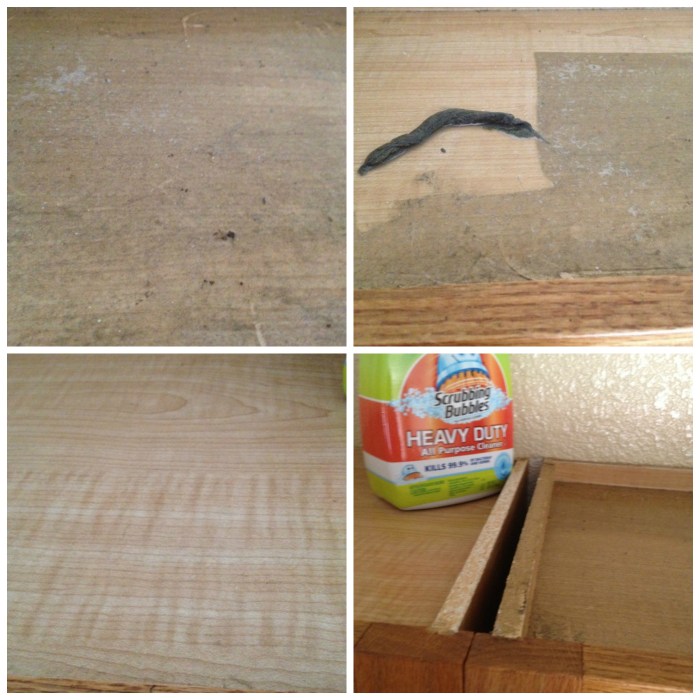
Source: mypinterventures.com
In conclusion, conquering kitchen grease doesn’t require endless scrubbing or harsh chemicals. By understanding the nature of grease, implementing preventative measures, and utilizing the diverse range of cleaning solutions – both natural and commercial – you can effectively maintain a sparkling clean kitchen. Remember that consistent, proactive cleaning is key to preventing significant build-up and ensuring a healthier, more enjoyable cooking environment.
Adopting these easy kitchen cleaning hacks remove grease stains will not only improve the appearance of your kitchen but also contribute to a more sanitary and efficient space for culinary creativity. A little effort goes a long way in preserving the heart of your home.
FAQ Explained
What is the best way to clean a stainless steel appliance to avoid streaks?
Use a microfiber cloth dampened with a stainless steel cleaner, wiping in the direction of the grain. Follow with a dry microfiber cloth to buff away any remaining residue.
Can I use bleach to remove grease stains?
While bleach is a powerful disinfectant, it’s generally not recommended for grease stains. It can react with grease, creating a soapy residue and potentially damaging surfaces. Focus on degreasing agents instead.
How often should I clean my range hood filter?
Ideally, range hood filters should be cleaned monthly, or more frequently if you cook often with high-grease foods. Regular cleaning ensures optimal ventilation and prevents grease build-up.
Is it safe to mix vinegar and baking soda for cleaning?
While the fizzing action can be helpful, mixing vinegar and baking soda doesn’t create a super-powered cleaner. The reaction neutralizes both ingredients, reducing their effectiveness. It’s better to use them sequentially.
What’s the best way to prevent grease from going down the drain?
Never pour grease down the drain. Allow it to cool and solidify, then scrape it into a disposable container for proper disposal. Using a strainer can also catch food particles that contribute to clogs.