Energy efficient kitchen appliances save money, and increasingly, homeowners are recognizing the substantial benefits of upgrading their culinary spaces. Modern kitchens are significant energy consumers, with appliances contributing a large portion of household electricity and water bills. As awareness of sustainable living and the desire for cost reduction grow, investing in efficient appliances extends beyond mere financial gain, offering environmental advantages and enhanced convenience.
This exploration delves into the world of energy-efficient kitchen technology, providing insights into understanding ratings, optimizing appliance usage, and maximizing long-term savings. From refrigerators and ovens to dishwashers and small appliances, we will uncover how smart choices can lead to a more sustainable and economical kitchen.
The Rising Cost of Kitchen Operation & The Appeal of Efficiency
Modern kitchens are the heart of many homes, but they’re also becoming increasingly expensive to operate. Beyond the initial cost of appliances, ongoing expenses related to electricity and water usage can significantly impact household budgets. Factors like larger appliance sizes, increased feature sets, and simply spending more time cooking at home contribute to this rise. Fortunately, growing consumer awareness of sustainable living and the desire to reduce costs are driving demand for energy-efficient kitchen solutions.
Investing in modern, efficient appliances offers benefits that extend far beyond just financial savings. These appliances often operate more quietly, offer improved performance, and contribute to a smaller environmental footprint. They represent a long-term investment in both your home and the planet.
Understanding Energy Efficiency Ratings & Labels
Navigating the world of appliance energy efficiency can seem daunting, but understanding the available ratings and labels is crucial for making informed purchasing decisions. The Energy Star program, backed by the U.S. Environmental Protection Agency (EPA), is a cornerstone of this process. Appliances bearing the Energy Star label have been independently certified to meet strict energy efficiency guidelines.
Several other labels provide valuable information. The Energy Guide label, required on most new appliances, displays an estimated annual energy consumption and operating cost. This allows for direct comparison between different models. It’s important to note that these are estimates, and actual usage will vary based on individual habits and conditions. Understanding how to interpret this data empowers consumers to choose appliances that align with their energy-saving goals.
Here’s a comparison of average energy consumption for different appliance types:
| Appliance Type | Average Energy Consumption (kWh/year – inefficient) | Average Energy Consumption (kWh/year – efficient) | Potential Savings/Year |
|---|---|---|---|
| Refrigerator (16-20 cu ft) | 800 | 300 | $50 – $100 |
| Dishwasher | 400 | 250 | $30 – $60 |
| Electric Oven | 500 | 300 | $40 – $80 |
| Gas Oven | 200 | 100 | $20 – $40 |
Refrigerators: A Major Energy Consumer
Refrigerators are often the biggest energy consumers in the kitchen, operating 24/7. Several factors influence their energy usage, including size – larger refrigerators naturally require more energy. Features like ice makers and through-the-door dispensers also increase consumption. The age of the refrigerator is critical; older models are significantly less efficient than newer ones. Finally, usage patterns, such as how often the door is opened and how full the refrigerator is, play a role.
Modern refrigerators incorporate features designed to improve efficiency. Automatic defrost prevents ice buildup, which can hinder cooling performance. Door alarms alert you if the door is left open, preventing wasted energy. Variable speed compressors adjust cooling output based on demand, rather than running at a constant speed.
Optimizing refrigerator efficiency is also within your control. Maintaining appropriate temperature settings (around 37°F for the refrigerator and 0°F for the freezer) is essential. Ensure adequate ventilation around the refrigerator to allow for proper heat dissipation. Avoid overcrowding, as this restricts airflow and forces the compressor to work harder.
Consider this visual guide for optimal refrigerator organization: The top shelves are best for ready-to-eat foods. Middle shelves should hold dairy products. The bottom shelves are ideal for raw meats and poultry, preventing cross-contamination. Crisper drawers maintain humidity for fruits and vegetables. Avoid blocking vents with food containers.
This arrangement promotes efficient airflow and consistent temperature throughout the refrigerator.
Ovens & Cooktops: Efficient Cooking Methods, Energy efficient kitchen appliances save money
Source: hvacdirectplus.com
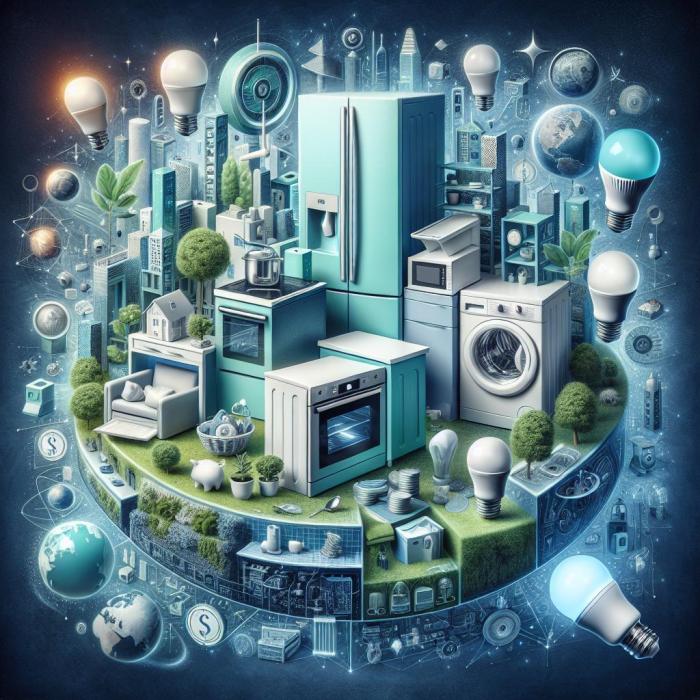
The energy efficiency of ovens and cooktops varies significantly depending on the type. Electric ovens generally consume more energy than gas ovens, primarily due to the resistance heating element. Convection ovens, however, are more efficient than traditional electric ovens because they circulate hot air, resulting in faster and more even cooking. Gas ovens, while potentially more efficient overall, can lose heat during preheating.
Induction cooktops represent a significant advancement in energy efficiency. Unlike traditional electric cooktops, which heat the cooking surface itself, induction cooktops directly heat the cookware. This results in faster heating times, less wasted energy, and improved safety. They are also more responsive to temperature adjustments.
Several energy-saving cooking techniques can further reduce energy consumption. Use the right size burner for the pot or pan. Covering pots while cooking traps heat and reduces cooking time. Utilizing residual heat – turning off the burner a few minutes before the food is fully cooked – can save energy.
Here’s a comparison of various cooking methods:
| Cooking Method | Energy Efficiency (Low-High) | Time to Heat | Common Dishes |
|---|---|---|---|
| Microwave | High | Very Fast | Reheating, Vegetables |
| Induction Cooktop | High | Fast | Sautéing, Boiling |
| Convection Oven | Medium-High | Moderate | Roasting, Baking |
| Electric Oven | Medium | Slow | Casseroles, Cakes |
| Gas Oven | Medium-Low | Moderate | Roasting, Baking |
Dishwashers: Water & Energy Conservation
Modern dishwashers are designed to conserve both water and energy. Features like soil sensors adjust the wash cycle based on the level of dirtiness, minimizing water and energy usage. Half-load options allow you to wash smaller loads without wasting resources. Efficient drying cycles, such as condensation drying, use less energy than heated drying.
Proper loading techniques are crucial for maximizing dishwasher performance. Avoid overcrowding, ensuring that water can reach all surfaces. Position dishes so that they don’t block the spray arms. Scrape off large food particles, but pre-rinsing is generally unnecessary and wastes water.
Air-drying dishes is significantly more energy-efficient than using heated drying cycles. If you must use a drying cycle, opt for a shorter, lower-temperature setting.
Regular dishwasher maintenance ensures optimal efficiency. Clean the filter regularly to remove food debris. Run a dishwasher cleaner periodically to remove buildup and maintain performance. Check the spray arms for clogs and ensure they rotate freely.
Small Appliances: Hidden Energy Drainers
Small kitchen appliances, while convenient, can be significant energy drainers, even when not in use. Coffee makers, toasters, blenders, and other appliances often consume standby power – energy used while they are turned off but still plugged in. This “phantom load” can add up over time.
Minimizing standby power consumption is simple. Unplug appliances when not in use, or use power strips to easily switch off multiple devices at once. Consider appliances with automatic shut-off features.
The energy efficiency of different types of coffee makers varies. Drip coffee makers are generally the most efficient. Pod-based machines, while convenient, tend to use more energy per cup. Espresso machines are typically the least efficient.
To calculate the annual energy cost of a frequently used small appliance, multiply its wattage by the number of hours it’s used per year, then divide by 1000 to get kilowatt-hours (kWh). Multiply the kWh by your electricity rate to determine the annual cost. For example, a 1000-watt coffee maker used for 30 minutes (0.5 hours) per day at an electricity rate of $0.15/kWh would cost approximately $27.38 per year.
Cost Savings & Return on Investment
Upgrading to energy-efficient kitchen appliances can result in substantial annual cost savings. As illustrated in the refrigerator example above, savings can range from $50 to $100 per year for a single appliance. These savings accumulate over the appliance’s lifespan.
The payback period – the time it takes for the energy savings to offset the initial cost of the appliance – depends on several factors. The appliance cost, energy prices, and usage patterns all play a role. Higher energy prices and more frequent usage will shorten the payback period.
Here’s an illustration of the ROI of upgrading key appliances:
| Appliance | Initial Cost (Efficient) | Initial Cost (Inefficient) | Annual Energy Savings | Payback Period |
|---|---|---|---|---|
| Refrigerator | $1200 | $800 | $75 | 6.4 years |
| Dishwasher | $700 | $500 | $40 | 5 years |
| Oven | $1000 | $600 | $50 | 6 years |
Numerous rebates, tax credits, and incentives are available for purchasing energy-efficient appliances. Check with your local utility company, state energy office, and the Energy Star website for current offerings.
Smart Kitchen Technologies & Energy Management
Source: greenlifezen.com
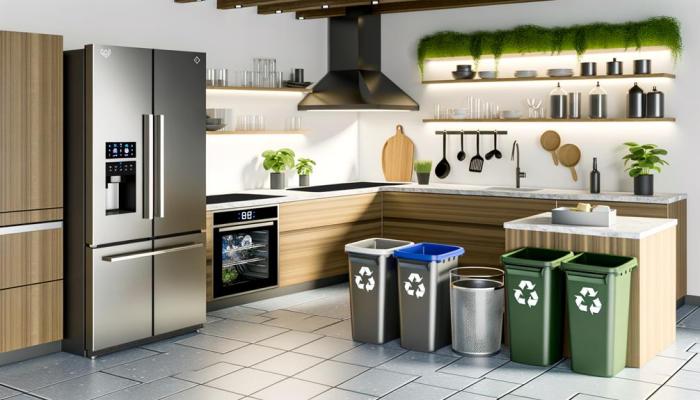
Smart appliances are increasingly incorporating features that contribute to energy savings. Remote control allows you to turn appliances on or off from anywhere, preventing wasted energy. Energy monitoring provides real-time data on appliance energy consumption, helping you identify areas for improvement.
Integrating kitchen appliances with smart home systems enables automated energy management. For example, a smart thermostat can adjust the temperature based on occupancy, while smart lighting can automatically turn off when a room is empty.
Smart kitchen technologies can optimize energy usage based on user habits and preferences. Some refrigerators can learn your eating patterns and adjust cooling accordingly. Smart ovens can preheat automatically based on your schedule.
Imagine this scenario:
A smart kitchen system detects that no one is home during peak electricity hours. It automatically adjusts the refrigerator’s temperature slightly, delays the dishwasher cycle, and turns off the oven, minimizing energy consumption and reducing your electricity bill.
Water Usage in the Kitchen & Efficient Appliances

Source: tastingtable.com
Dishwashers and garbage disposals are the primary appliances that consume significant water in the kitchen. Older dishwashers can use up to 15 gallons of water per cycle, while modern, efficient models use as little as 3 gallons.
Water-saving features in dishwashers include soil sensors, which adjust the wash cycle based on the level of dirtiness, and water-efficient cycles, which use less water. Low-flow aerators on faucets reduce water flow without sacrificing water pressure.
Water consumption has a significant environmental impact. Conserving water reduces the strain on water resources, minimizes energy used for water treatment and distribution, and protects aquatic ecosystems.
Beyond appliance choices, several water-saving habits can be adopted in the kitchen. Avoid letting the water run while washing dishes or vegetables. Use a bowl of water for rinsing. Fix leaky faucets promptly.
Long-Term Maintenance for Sustained Efficiency
Regular appliance maintenance is crucial for preserving energy efficiency. Neglecting maintenance can lead to increased energy consumption, reduced appliance lifespan, and costly repairs.
Here’s a maintenance schedule for key kitchen appliances:
| Appliance | Maintenance Task | Frequency | Estimated Cost |
|---|---|---|---|
| Refrigerator | Clean condenser coils | Every 6 months | $0 (DIY) – $100 (Professional) |
| Dishwasher | Clean filter | Monthly | $0 (DIY) |
| Oven | Clean interior | As needed | $0 (DIY)
|
| Garbage Disposal | Flush with cold water and ice cubes | Weekly | $0 (DIY) |
Neglecting maintenance, such as allowing dust to accumulate on refrigerator coils or failing to clean a dishwasher filter, forces the appliance to work harder, consuming more energy and shortening its lifespan.
End of Discussion: Energy Efficient Kitchen Appliances Save Money
In conclusion, embracing energy efficient kitchen appliances represents a smart investment for both your wallet and the environment. By understanding energy ratings, adopting efficient usage habits, and leveraging available incentives, you can significantly reduce your kitchen’s operational costs and contribute to a more sustainable lifestyle. The long-term benefits of reduced energy consumption, lower utility bills, and a smaller carbon footprint make upgrading to efficient appliances a truly worthwhile endeavor.
The journey towards an energy-conscious kitchen doesn’t end with a purchase; consistent maintenance and mindful operation are key to sustained efficiency. By prioritizing these aspects, you can ensure your appliances continue to deliver savings and contribute to a greener future for years to come.
User Queries
What is the difference between Energy Star and Energy Guide labels?
Energy Star identifies appliances that meet strict energy efficiency guidelines set by the EPA. Energy Guide labels provide an estimate of an appliance’s annual energy consumption and cost to operate, allowing for comparison between models.
Can I get a rebate for purchasing energy-efficient appliances?
Yes, many utility companies, state governments, and manufacturers offer rebates and tax credits for purchasing Energy Star-certified appliances. Check with your local utility provider and the Energy Star website for current incentives.
How often should I clean the condenser coils on my refrigerator?
It’s recommended to clean your refrigerator’s condenser coils every six months to ensure optimal efficiency. Dust and debris buildup can force the refrigerator to work harder, increasing energy consumption.
Is it more energy efficient to air-dry dishes or use the heated drying cycle in my dishwasher?
Air-drying dishes is significantly more energy efficient than using the heated drying cycle. The heated cycle can add a substantial amount to your dishwasher’s energy consumption.
What is a variable speed compressor in a refrigerator and why is it efficient?
A variable speed compressor adjusts its cooling output based on the refrigerator’s needs, rather than simply turning on and off. This results in more consistent temperatures and reduced energy consumption compared to traditional compressors.