Best kitchen sink materials stainless steel quartz represent a cornerstone of kitchen design, blending practicality with aesthetic appeal. For decades, stainless steel has been a favored choice, renowned for its durability and affordability. However, the emergence of quartz composite sinks has introduced a compelling alternative, offering unique benefits in terms of design flexibility and resistance to wear. This exploration delves into the nuances of both materials, providing a comprehensive guide to help you select the ideal sink for your culinary space.
Understanding the core properties that define a superior kitchen sink – durability, heat and stain resistance, ease of maintenance, and overall cost – is crucial. We will examine how stainless steel and quartz composite measure up against these criteria, alongside a look at other common materials like cast iron, fireclay, and acrylic, providing a detailed comparison to inform your decision-making process.
Kitchen Sink Materials: Stainless Steel vs. Quartz Composite: Best Kitchen Sink Materials Stainless Steel Quartz
The kitchen sink is a workhorse, enduring daily use and playing a crucial role in the functionality of the kitchen. Choosing the right material is therefore a significant decision. Historically, stainless steel has been the dominant choice, prized for its durability and affordability. However, in recent years, quartz composite sinks have gained considerable popularity, offering a compelling alternative with unique aesthetic and performance characteristics.
This article provides a comprehensive comparison of these two leading materials, exploring their properties, benefits, and drawbacks to help you make an informed decision.
A ‘best’ kitchen sink material isn’t universally defined; it depends on individual needs and priorities. Key properties to consider include durability – resistance to chipping, cracking, and denting; heat resistance – the ability to withstand hot cookware; stain resistance – how easily the sink can be cleaned; maintenance – the effort required to keep it looking its best; and cost – both the initial purchase price and long-term ownership expenses.
Introduction to Kitchen Sink Materials
Kitchen sink materials have evolved significantly over time. Early sinks were often made of stone or wood, but these were prone to staining and difficult to maintain. The introduction of cast iron in the 19th century marked a turning point, offering greater durability. Stainless steel emerged as a popular choice in the 20th century, becoming synonymous with modern kitchens due to its hygienic properties and relatively low cost.
More recently, quartz composite sinks have risen in prominence, leveraging the natural strength of quartz with the versatility of acrylic resins. These materials offer a blend of durability, aesthetic appeal, and ease of maintenance.
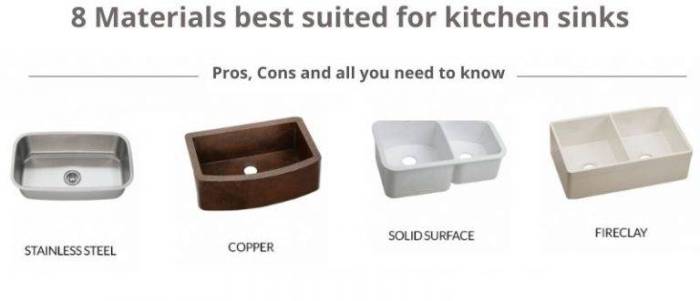
Beyond stainless steel and quartz, several other materials are commonly used. Cast iron sinks, often coated with enamel, provide excellent heat retention but are heavy and susceptible to chipping. Fireclay sinks, known for their classic farmhouse aesthetic, are durable but can be expensive and prone to staining. Acrylic sinks are lightweight and affordable but lack the durability and heat resistance of other options.
| Material | Initial Cost | Lifespan | Aesthetic Options |
|---|---|---|---|
| Stainless Steel | $100 – $800+ | 15-30 years | Brushed, Polished, Satin, Various Gauges & Configurations |
| Quartz Composite | $300 – $1200+ | 20-30+ years | Wide range of colors & textures, Solid colors, Granite-like patterns, Matte finishes |
| Cast Iron | $200 – $1000+ | 25-50+ years | Primarily white, limited color options, often with enamel coating |
| Fireclay | $500 – $2000+ | 50+ years | Typically white, farmhouse style, limited color options |
| Acrylic | $50 – $300 | 5-15 years | Limited color options, often white or off-white |
Stainless Steel Kitchen Sinks: A Deep Dive
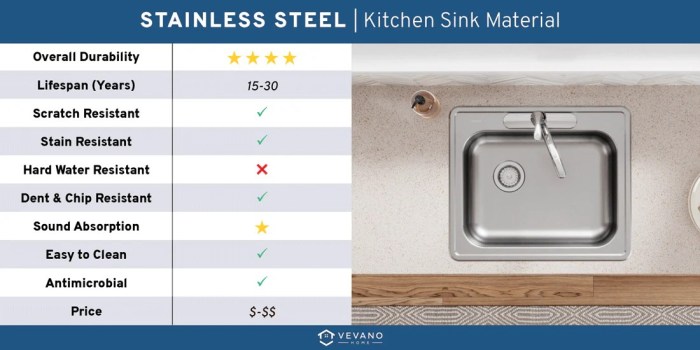
Stainless steel remains a popular choice due to its affordability, durability, and ease of cleaning. However, not all stainless steel is created equal. Different grades offer varying levels of corrosion resistance and strength. The most common grades used in kitchen sinks are 304 and 316. 304 stainless steel contains 18% chromium and 8% nickel, providing excellent corrosion resistance for everyday use.
316 stainless steel includes molybdenum, enhancing its resistance to chlorides and making it more suitable for coastal environments or areas with highly saline water. Higher grades generally come at a higher price point.
The manufacturing process significantly impacts the quality of a stainless steel sink. Stamping involves pressing a sheet of stainless steel into the desired shape, while forming uses more complex techniques to create intricate designs. Welding is often used to join different pieces of stainless steel together, and the quality of the weld is crucial for preventing leaks. Sinks made from a single sheet of stainless steel (seamless) are generally considered higher quality than those with welded seams.
Common issues with stainless steel sinks include water spots, scratches, and, in rare cases, rust. Water spots can be minimized by wiping the sink dry after each use. Scratches are inevitable with regular use, but can be lessened by using a sink grid and avoiding abrasive cleaners. Rust can occur if the sink is exposed to iron particles or harsh chemicals, but is less common with higher-grade stainless steel.
Regular cleaning with a stainless steel cleaner can help prevent these issues.
- Undermount: Installed beneath the countertop, creating a seamless look. Requires precise cutting and professional installation.
- Top-mount: The most common type, dropped into a pre-cut hole in the countertop. Easier to install than undermount sinks.
- Farmhouse (Apron Front): Features an exposed front that extends beyond the countertop. Offers a classic, rustic aesthetic and requires specific cabinet modifications.
Quartz Composite Kitchen Sinks: An Exploration
Quartz composite sinks are engineered from a blend of natural quartz crystals (typically 70-90%), acrylic resins, and other binding agents. The high quartz content provides exceptional strength and durability, while the acrylic resins offer flexibility and allow for a wide range of colors and textures. The specific percentage of each component varies between manufacturers, influencing the sink’s overall performance.
Variations in quartz content and resin type directly impact the sink’s properties. Higher quartz content generally translates to greater scratch resistance and thermal shock resistance. The type of resin used affects the sink’s color consistency, UV resistance, and overall durability. For example, acrylic resins offer good color stability, while polyester resins are more affordable but may be prone to fading over time.
The manufacturing process for quartz composite sinks involves molding the mixture into the desired shape, curing it under heat and pressure to harden the resin, and then polishing the surface to achieve a smooth, glossy finish. The quality of the molding process is critical for ensuring the sink’s structural integrity and preventing cracks or imperfections. Some manufacturers use advanced techniques like vacuum casting to eliminate air bubbles and create a denser, more durable sink.
Quartz composite sinks are available in a remarkable range of colors and textures, far exceeding the options available for stainless steel. From solid, neutral tones to granite-like patterns and matte finishes, these sinks can seamlessly complement a variety of kitchen designs. This versatility allows homeowners to create a cohesive and stylish look.
Comparing Durability and Resistance
Both stainless steel and quartz composite offer excellent durability, but they exhibit different strengths and weaknesses. Stainless steel is generally more resistant to dents and impacts, while quartz composite excels in scratch resistance. Stainless steel can dent if a heavy object is dropped onto it, but the dent is often repairable. Quartz composite, on the other hand, is less likely to scratch from everyday use, such as washing dishes or handling pots and pans.
In terms of impact resistance, stainless steel may perform better in scenarios involving a sudden, forceful impact, such as dropping a heavy pot from a significant height. However, quartz composite is less likely to chip or crack under similar circumstances. The acrylic resin component provides some flexibility, absorbing impact energy and preventing catastrophic failure.
Both materials are generally resistant to staining, but quartz composite has a slight edge. Stainless steel can stain if exposed to certain substances for extended periods, particularly acidic foods or hard water minerals. Quartz composite’s non-porous surface makes it highly resistant to staining from coffee, wine, oil, and other common kitchen substances. However, dark-colored quartz composite sinks may show staining from oil over time.
| Substance | Stainless Steel Resistance | Quartz Composite Resistance |
|---|---|---|
| Coffee | Moderate – can stain with prolonged exposure | Excellent – highly resistant to staining |
| Wine | Moderate – can stain, especially red wine | Excellent – highly resistant to staining |
| Oil | Moderate – can stain, especially with dark finishes | Good – may show staining over time with dark colors |
| Acidic Foods (Lemon Juice, Vinegar) | Good – can cause pitting if left for extended periods | Excellent – highly resistant to etching and staining |
| Hard Water Minerals | Moderate – can cause water spots | Excellent – highly resistant to water spots |
Maintenance and Cleaning Procedures
Maintaining a stainless steel sink is relatively straightforward. Regular cleaning with warm soapy water and a soft cloth is usually sufficient. For stubborn water spots, use a stainless steel cleaner or a solution of vinegar and water. Avoid abrasive cleaners, steel wool, and bleach, as these can scratch or damage the surface. Always wipe the sink dry after cleaning to prevent water spots.
Quartz composite sinks are equally easy to maintain. Regular cleaning with warm soapy water and a soft cloth is recommended. For tougher stains, use a non-abrasive cleaner specifically designed for quartz surfaces. Water spots can be removed with a solution of vinegar and water. Avoid harsh chemicals, abrasive cleaners, and excessive heat.
Cleaning products to avoid for both materials include abrasive cleaners (like scouring powders), bleach, and harsh chemicals. These can damage the surface, causing scratches, discoloration, or etching. For stainless steel, avoid cleaners containing chlorides, as they can cause pitting. For quartz composite, avoid cleaners containing strong solvents or acids.
Deep Cleaning Guide:
- Stainless Steel: Sprinkle baking soda over the sink surface. Add a few drops of dish soap and scrub gently with a soft cloth. Rinse thoroughly and dry. For stubborn stains, make a paste of baking soda and water and apply to the stain for 15-20 minutes before scrubbing.
- Quartz Composite: Clean the sink with warm soapy water and a soft cloth. For water spots, spray with a solution of vinegar and water and wipe clean. For stubborn stains, use a non-abrasive quartz cleaner and follow the manufacturer’s instructions.
- Preventative Measures: Use a sink grid to protect the bottom of the sink from scratches. Wipe up spills immediately to prevent staining. Rinse the sink thoroughly after each use.
Aesthetic Considerations and Design Integration
Source: jabrasanitary.com
Stainless steel sinks offer a sleek, modern aesthetic that complements a wide range of kitchen styles. Different finishes, such as brushed, polished, and satin, can create different looks. Brushed stainless steel has a subtle texture that hides fingerprints and scratches, while polished stainless steel offers a more reflective, high-end appearance. Satin stainless steel provides a balance between the two.
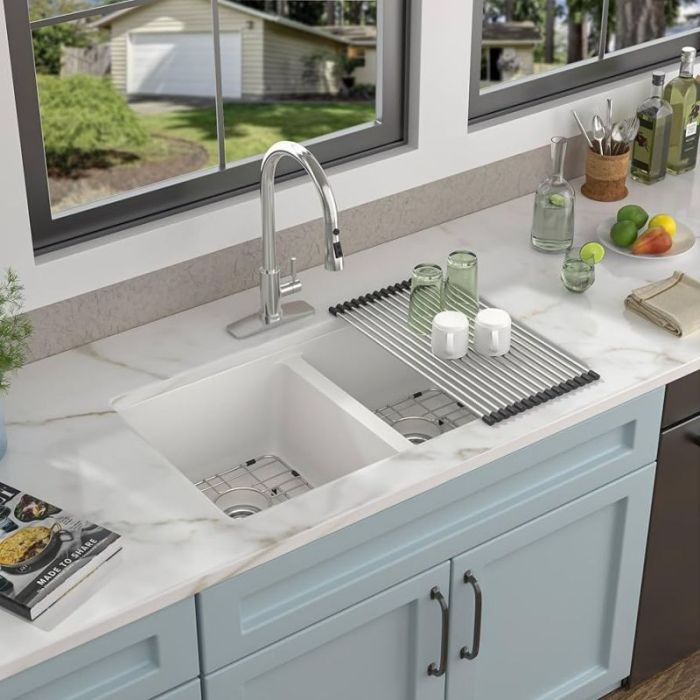
Quartz composite sinks provide a broader aesthetic range. Solid colors offer a clean, contemporary look, while granite-like patterns add texture and visual interest. Matte finishes create a soft, understated aesthetic. The ability to choose from a wide variety of colors and textures allows homeowners to create a sink that perfectly complements their kitchen’s design.
Sink shape and configuration significantly influence the overall kitchen layout. Single-bowl sinks are ideal for washing large items, while double-bowl sinks offer greater versatility for multitasking. Apron-front sinks add a touch of farmhouse charm and can serve as a focal point in the kitchen.
In a modern kitchen, a brushed stainless steel undermount sink provides a seamless, minimalist look. In a farmhouse kitchen, a white fireclay or a granite-patterned quartz composite apron-front sink complements the rustic aesthetic. In a traditional kitchen, a polished stainless steel top-mount sink or a solid-color quartz composite sink can add a touch of elegance.
Cost Analysis and Long-Term Value
The cost of a stainless steel sink varies depending on the material grade, gauge (thickness), features, and installation. Lower-grade stainless steel sinks are relatively affordable, while higher-grade, thicker-gauge sinks with advanced features can be quite expensive. Installation costs also vary depending on the type of sink and the complexity of the installation.
Quartz composite sinks generally have a higher initial cost than stainless steel sinks, due to the cost of the materials and the more complex manufacturing process. The price also varies depending on the color, texture, and features. Installation costs are typically similar to those for stainless steel sinks.
Considering long-term value, both materials offer a good return on investment. Stainless steel sinks are durable and require minimal maintenance, but may need to be replaced after 15-30 years. Quartz composite sinks are even more durable and require even less maintenance, potentially lasting 20-30+ years. However, the higher initial cost may offset the long-term savings for some homeowners.
| Sink Type | Stainless Steel Price Range | Quartz Composite Price Range |
|---|---|---|
| Single Bowl | $100 – $400 | $300 – $600 |
| Double Bowl | $200 – $600 | $400 – $800 |
| Farmhouse (Apron Front) | $400 – $800+ | $600 – $1200+ |
| Undermount | $300 – $700+ | $500 – $1000+ |
Installation Considerations
Installing an undermount stainless steel sink requires precise cutting of the countertop and careful attention to detail. The sink must be securely mounted to the countertop with adhesive and mechanical fasteners. Proper sealing is crucial to prevent water damage. This type of installation is best left to professionals.
Installing a top-mount quartz composite sink is generally easier than installing an undermount sink. The sink is simply dropped into a pre-cut hole in the countertop and secured with clips or sealant. However, proper sealing is still essential to prevent water leaks. Ensure the countertop provides adequate support for the weight of the sink.
Common installation errors for both materials include improper sealing, inadequate support, and incorrect alignment. These errors can lead to leaks, cracks, or other problems. Always follow the manufacturer’s instructions carefully and use the appropriate tools and materials.
Professional installation is highly recommended for both stainless steel and quartz composite sinks, especially for undermount installations. A qualified plumber or kitchen installer can ensure that the sink is properly installed and sealed, preventing costly repairs down the road.
Environmental Impact and Sustainability, Best kitchen sink materials stainless steel quartz
Source: vevano.com
Stainless steel is highly recyclable, making it a sustainable choice for environmentally conscious homeowners. Recycled stainless steel can be used to manufacture new sinks, reducing the demand for virgin materials. The durability of stainless steel also contributes to its sustainability, as it reduces the need for frequent replacements.
The production of quartz composite sinks involves the use of acrylic resins, which are derived from petroleum. However, some manufacturers are now using bio-based resins and recycled materials to reduce the environmental impact. Waste management during the manufacturing process is also an important consideration.
Eco-friendly options within both material categories include recycled stainless steel sinks and quartz composite sinks made with low-VOC (volatile organic compound) resin formulations. Choosing sinks from manufacturers committed to sustainable practices can further minimize the environmental footprint.
A lifecycle assessment of stainless steel reveals a relatively low environmental impact due to its recyclability and durability. Quartz composite, while less recyclable, can be made more sustainable through the use of recycled materials and bio-based resins. Proper disposal of both materials at the end of their lifespan is crucial for minimizing environmental harm.
Emerging Trends and Innovations
New developments in stainless steel sink technology include sound-dampening coatings that reduce noise from running water and dishwashing, and antimicrobial finishes that inhibit the growth of bacteria. These innovations enhance the functionality and hygiene of stainless steel sinks.
Innovations in quartz composite sink manufacturing include improved color consistency, enhanced durability, and the development of new textures and patterns. Manufacturers are also exploring the use of advanced molding techniques to create more complex and intricate sink designs.
Emerging trends in kitchen sink design include integrated accessories, such as cutting boards, colanders, and drying racks, and smart features, such as touchless faucets and built-in sensors. These features add convenience and functionality to the kitchen sink.
Imagine a futuristic kitchen sink seamlessly integrating stainless steel and quartz composite elements. The sink basin is crafted from a dark grey quartz composite, featuring a smooth, matte finish. A stainless steel grid is integrated into the base, providing a durable surface for washing dishes. A touchless faucet with built-in sensors controls water flow and temperature. A retractable cutting board made from stainless steel slides out from under the countertop, providing additional workspace.
The sink is equipped with a sound-dampening coating and an antimicrobial finish, ensuring a quiet and hygienic experience.
Concluding Remarks
Source: hometuff.com
Ultimately, the choice between stainless steel and quartz composite hinges on your individual needs and priorities. Stainless steel remains a reliable and cost-effective option, particularly for those prioritizing practicality and a classic aesthetic. Quartz composite, on the other hand, excels in design versatility and resistance to certain types of damage, making it a strong contender for those seeking a modern and visually striking kitchen.
By carefully considering the factors discussed – from material composition and manufacturing processes to maintenance requirements and long-term value – you can confidently select the best kitchen sink material to enhance both the functionality and beauty of your home. Investing in a quality sink is an investment in the heart of your kitchen, ensuring years of reliable service and enjoyment.
Quick FAQs
What gauge of stainless steel is best for a kitchen sink?
A lower gauge number indicates thicker steel. 16-gauge stainless steel is generally considered the best balance of durability and affordability for kitchen sinks. 18-gauge is also acceptable, but may be more prone to denting.
Can quartz composite sinks withstand very high temperatures?
While quartz composite has good heat resistance, it’s not entirely impervious to thermal shock. Avoid placing extremely hot pots and pans directly into the sink, as this could potentially cause discoloration or cracking. Using a trivet or sink protector is recommended.
Are quartz composite sinks prone to chipping?
High-quality quartz composite sinks are quite resistant to chipping, but it can occur with significant impact. The resin content plays a role; higher resin content can make the sink slightly more susceptible to chipping.
How do I remove hard water stains from a stainless steel sink?
A solution of equal parts white vinegar and water can effectively remove hard water stains. Apply the solution, let it sit for a few minutes, then scrub gently with a soft cloth. Rinse thoroughly and dry to prevent further staining.
Is professional installation necessary for both stainless steel and quartz composite sinks?
While experienced DIYers can install both types of sinks, professional installation is highly recommended, especially for undermount sinks. Proper sealing and support are crucial to prevent leaks and ensure the sink’s longevity.