Kitchen Ventilation Systems Range Hood Installation Guide offers a comprehensive approach to ensuring a healthy and efficient cooking environment. Proper kitchen ventilation is paramount, not only for removing unpleasant odors and grease-laden vapors, but also for safeguarding indoor air quality and optimizing the performance of your kitchen appliances. This guide will navigate you through the intricacies of selecting, installing, and maintaining a range hood system, empowering you to create a more comfortable and functional culinary space.
From understanding the diverse types of range hoods available – under-cabinet, wall-mount, island, and more – to deciphering crucial specifications like CFM and sone levels, we’ll equip you with the knowledge to make informed decisions. Furthermore, we’ll delve into the practical aspects of installation, covering everything from electrical preparations and ductwork considerations to filter maintenance and troubleshooting common issues, all while adhering to relevant building codes and safety standards.
Introduction to Kitchen Ventilation
A well-ventilated kitchen is more than just a comfort feature; it’s essential for maintaining a healthy home environment and ensuring your cooking appliances function optimally. Cooking generates a variety of pollutants, from simple water vapor to harmful gases and particulate matter, which can impact indoor air quality and even affect your health. Effective ventilation removes these pollutants, preventing issues like condensation, mold growth, and the spread of cooking odors throughout your home.
Different cooking methods produce varying levels of pollutants. High-heat cooking like frying and searing generates significantly more grease, smoke, and particulate matter than simmering or baking. Ventilation systems are designed to address these different levels, ensuring adequate removal of contaminants regardless of your culinary style. Furthermore, proper ventilation protects your appliances by removing heat and moisture, extending their lifespan and preventing potential damage.
Building codes and standards regarding kitchen ventilation are in place to ensure a minimum level of air quality in residential settings. These codes typically specify minimum airflow rates (measured in CFM – cubic feet per minute) based on the size of the cooktop and the type of range hood used. Local regulations may also dictate requirements for ductwork materials and termination points.
Compliance with these codes is crucial for safety and can be required for home sales or renovations.
Ventilation Method Comparison
The effectiveness of different ventilation methods varies considerably. Natural ventilation, relying on windows and doors, offers limited pollutant removal. Exhaust fans provide a moderate level of removal, while range hoods, particularly ducted models, are the most effective. The following table provides a comparative overview:
| Method | Pollutant Removal Rate (%) | Cost | Installation Complexity |
|---|---|---|---|
| Natural Ventilation (Windows/Doors) | 10-20 | Low | Very Low |
| Exhaust Fans (Bathroom Style) | 30-50 | Low-Medium | Low |
| Range Hoods (Ducted) | 70-90 | Medium-High | Medium-High |
| Range Hoods (Ductless/Recirculating) | 40-60 | Medium | Low-Medium |
Range Hood Types and Features: Kitchen Ventilation Systems Range Hood Installation Guide
Source: extremehowto.com
Selecting the right range hood involves understanding the different types available and their respective features. Each type offers a unique combination of aesthetics, effectiveness, and installation requirements. The best choice depends on your kitchen layout, cooking style, and personal preferences.
Main Range Hood Types
There are five primary types of range hoods commonly found in residential kitchens:
- Under-Cabinet Range Hoods: These are installed directly under the kitchen cabinets above the cooktop. They are a popular choice due to their relatively discreet appearance and ease of installation.
- Wall-Mount Range Hoods: These hoods are mounted directly to the wall, often serving as a focal point in the kitchen. They typically offer higher CFM ratings and are suitable for heavier cooking.
- Island Range Hoods: Designed for cooktops located on kitchen islands, these hoods are suspended from the ceiling and require a more complex installation involving ductwork through the ceiling.
- Downdraft Range Hoods: These hoods integrate into the cooktop itself, drawing smoke and odors downwards. They are a good option when ductwork is difficult or impossible to install, but generally offer lower performance.
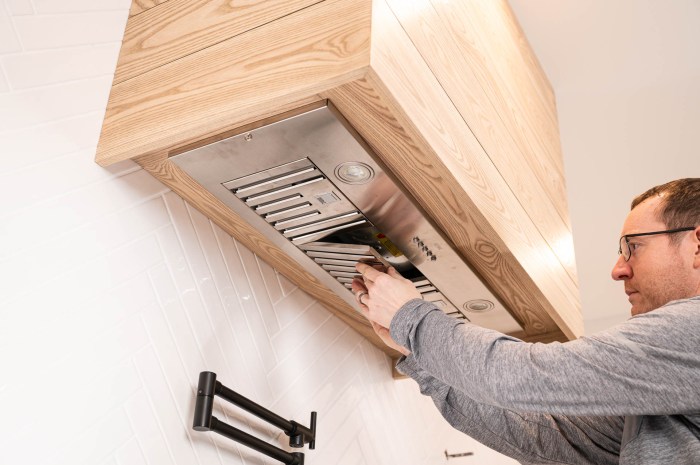
- Built-In Range Hoods: These are seamlessly integrated into cabinetry during kitchen design, offering a clean and modern aesthetic. Installation requires careful planning and coordination with cabinet construction.
Pros and Cons of Each Type, Kitchen ventilation systems range hood installation guide
Each range hood type has its advantages and disadvantages. Under-cabinet models are affordable and easy to install, but may have limited CFM capacity. Wall-mount hoods are powerful but can be visually dominant. Island hoods offer flexibility in kitchen layout but require significant installation effort. Downdraft hoods are convenient but less effective at capturing pollutants.
Built-in hoods provide a sleek look but are the most expensive and require extensive planning.
Key Features to Consider
When choosing a range hood, several key features should be considered. CFM (cubic feet per minute) measures the hood’s airflow capacity – higher CFM is generally better for heavy cooking. Sone level indicates the noise produced by the hood; lower sone levels are quieter. Filter type (baffle, mesh, or charcoal) affects the hood’s ability to capture grease and odors. Lighting provides illumination for the cooktop.
Controls (push buttons, sliders, or electronic) determine how easily the hood can be operated.
CFM Ranges for Cooktop Sizes and Cooking Styles
Selecting the appropriate CFM rating is crucial for effective ventilation. The following table provides a general guideline:
| Cooktop Size | Cooking Style | Recommended CFM Range |
|---|---|---|
| 24-30 inch | Light Cooking (Simmering, Steaming) | 300-400 CFM |
| 24-30 inch | Moderate Cooking (Sautéing, Boiling) | 400-600 CFM |
| 24-30 inch | Heavy Cooking (Frying, Searing) | 600-800 CFM |
| 36-48 inch | Light Cooking (Simmering, Steaming) | 400-600 CFM |
| 36-48 inch | Moderate Cooking (Sautéing, Boiling) | 600-900 CFM |
| 36-48 inch | Heavy Cooking (Frying, Searing) | 900-1200 CFM |
Planning the Installation
Proper planning is paramount for a successful range hood installation. This involves determining the appropriate size and mounting height, carefully selecting ductwork, and assessing existing infrastructure. A thorough assessment upfront will minimize complications during the installation process.
Determining Range Hood Size and Mounting Height
The range hood should be at least as wide as the cooktop, and ideally 3 inches wider on each side for optimal capture. For island cooktops, the hood should be the same depth as the cooktop. Mounting height is also critical. For under-cabinet hoods, a height of 24-30 inches above the cooktop is generally recommended. Wall-mount and island hoods should be positioned according to the manufacturer’s instructions, ensuring adequate clearance for both headroom and cooking comfort.
Importance of Ductwork Selection
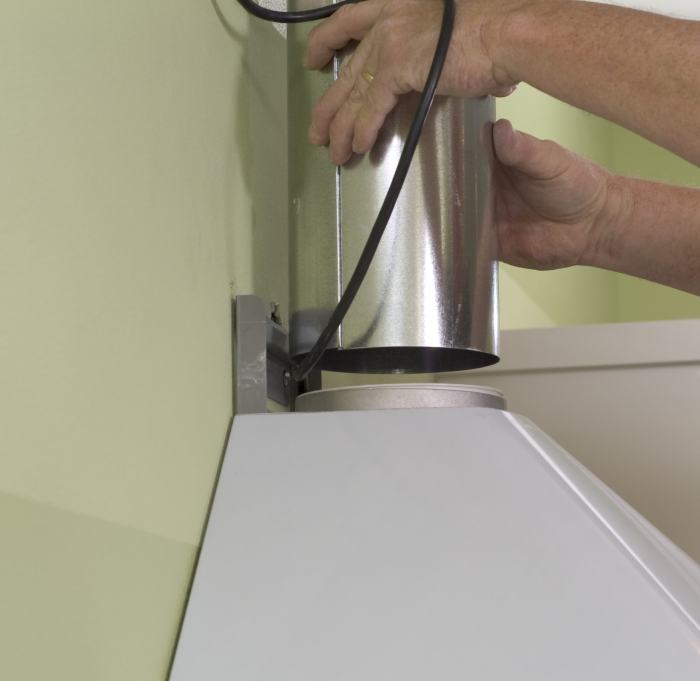
Ductwork plays a vital role in the performance of a ducted range hood. The material (typically metal – galvanized steel or stainless steel), diameter, and length all impact airflow. Smooth, rigid ductwork is preferable to flexible ductwork, as it minimizes airflow restriction. The duct diameter should match the range hood’s exhaust outlet. Long duct runs require larger diameter ductwork to compensate for friction loss.
Assessing Existing Ductwork
If replacing an existing range hood, carefully inspect the existing ductwork. Check for blockages (grease buildup, bird nests), damage (holes, kinks), and improper sizing. Determine if the existing ductwork is suitable for the new range hood’s CFM rating and exhaust outlet size. Modifications may be necessary to ensure optimal performance.
Calculating Total Equivalent Duct Length
The total equivalent duct length accounts for the resistance created by bends and transitions in the ductwork. Each bend and transition adds an equivalent length to the straight duct run. For example, a 90-degree elbow might add 5-10 feet of equivalent length. Use the manufacturer’s specifications for equivalent length values and calculate the total equivalent length to determine if the duct run is within acceptable limits for the range hood’s CFM rating.
Electrical and Mechanical Preparations
Before beginning the installation, it’s crucial to prepare the electrical and mechanical aspects of the installation site. This ensures a safe and efficient installation process. Proper preparation minimizes the risk of electrical hazards and structural issues.
Electrical Requirements
Source: kitchenpro.ae
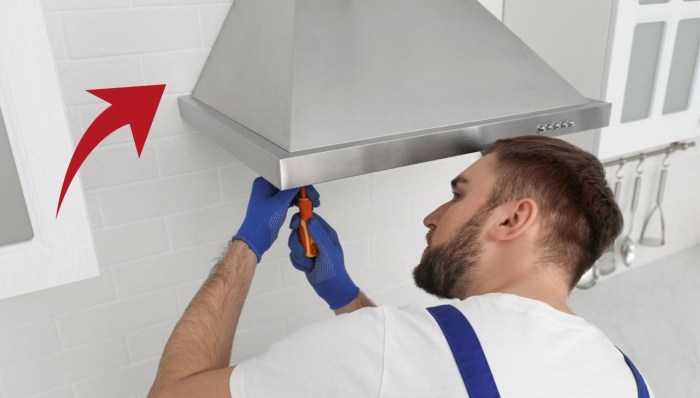
Range hoods typically require a dedicated 120V or 240V circuit, depending on the model and features. Check the range hood’s specifications for voltage, amperage, and wiring requirements. A dedicated circuit prevents overloading existing circuits and ensures reliable operation. It’s essential to consult with a qualified electrician to ensure the electrical system can support the new range hood.
Safely Disconnecting Electrical Connections
Before working with any electrical wiring, always turn off the power to the circuit at the breaker box. Use a non-contact voltage tester to verify that the power is off. Carefully disconnect the existing wiring, noting the connections for reinstallation. If you are not comfortable working with electrical wiring, hire a qualified electrician.
Preparing the Mounting Surface
The mounting surface (cabinet or wall) must be strong enough to support the weight of the range hood. Inspect the cabinet or wall for structural integrity. If necessary, reinforce the mounting surface with additional framing or bracing. Ensure the surface is level and free of obstructions.
Essential Tools and Materials
Source: bluefigartisan.com
A well-equipped toolkit is essential for a smooth installation. Here’s a list of essential tools and materials:
- Screwdrivers (various sizes)
- Drill with drill bits
- Level
- Measuring tape
- Wire strippers/crimpers
- Electrical tape
- Duct sealant
- Screws and anchors
- Safety glasses
- Gloves
- Non-contact voltage tester
- Stud finder
Outcome Summary
Successfully installing and maintaining a kitchen range hood is an investment in your home’s air quality, appliance longevity, and overall kitchen experience. By carefully following the guidance Artikeld in this Kitchen Ventilation Systems Range Hood Installation Guide, you can confidently tackle the installation process, ensuring optimal performance and a safer, more enjoyable cooking environment. Remember to prioritize safety, adhere to local codes, and regularly maintain your system for years of reliable operation.
This guide provides a solid foundation for understanding and implementing effective kitchen ventilation. Whether you’re a seasoned DIY enthusiast or a first-time installer, the detailed instructions and practical tips presented here will empower you to achieve professional-quality results and enjoy the benefits of a well-ventilated kitchen.
Query Resolution
Can I install a range hood without existing ductwork?
Yes, you can install a ductless range hood, also known as a recirculating range hood. These hoods use filters to remove odors and grease and then recirculate the air back into the kitchen. However, they are generally less effective than ducted range hoods.
What is the best material for ductwork?
Smooth metal ductwork, such as galvanized steel or aluminum, is generally considered the best option. It offers good airflow, durability, and is less likely to harbor grease buildup compared to flexible ductwork.
How often should I clean my range hood filters?
The frequency depends on your cooking habits. For light cooking, cleaning every 3-6 months may suffice. For frequent or heavy cooking, monthly cleaning is recommended. Charcoal filters typically need replacing every 6-12 months.
What does CFM stand for and why is it important?
CFM stands for Cubic Feet per Minute. It measures the volume of air a range hood can move. A higher CFM is generally better, especially for powerful cooktops, but it must be matched to the size of your cooktop and the length of your ductwork for optimal performance.
Is a permit required for range hood installation?
Permit requirements vary by location. It’s best to check with your local building department to determine if a permit is necessary for your specific installation.