Kitchen island designs with seating and storage have become a cornerstone of modern kitchen design, evolving from simple work surfaces to multifunctional hubs. These islands seamlessly blend practicality with social interaction, offering a dedicated space for meal preparation, casual dining, and gathering with family and friends. A well-designed island significantly enhances kitchen workflow and adds valuable storage, transforming the heart of the home.
From rectangular classics to more contemporary L-shaped or round designs, the possibilities are vast. Careful consideration of layout, seating options, and storage solutions is key to creating an island that perfectly complements your kitchen’s aesthetic and meets your specific needs. This exploration will guide you through the essential elements of designing a kitchen island that is both beautiful and incredibly functional.
Kitchen Islands: The Heart of the Modern Home
The kitchen has evolved from a purely functional space into the central hub of the home, and the kitchen island has played a pivotal role in this transformation. Once considered a luxury, kitchen islands are now a staple in many home designs, offering a versatile solution for cooking, dining, socializing, and storage. This article explores the various facets of kitchen island design, focusing on how to seamlessly integrate seating and storage to create a truly functional and inviting kitchen space.
Combining seating and storage within a kitchen island isn’t just about maximizing space; it’s about enhancing the overall kitchen experience. It creates a natural gathering spot for family and friends, encourages casual dining, and provides convenient access to essential items. A well-designed island can dramatically improve workflow, making food preparation and cleanup more efficient. Let’s delve into the details of creating the perfect kitchen island for your needs.
Introduction to Kitchen Islands with Seating & Storage
Kitchen islands have moved beyond simple countertops. They are now multi-functional zones designed to accommodate a variety of activities. The modern kitchen often features an open-concept layout, and the island serves as a natural focal point, connecting the kitchen to adjacent living areas. Integrating seating and storage into the island design elevates its functionality, transforming it into a versatile space for everything from quick breakfasts to elaborate meal preparation and entertaining.
The benefits of incorporating an island are numerous. From a practical standpoint, it expands counter space, providing ample room for chopping, mixing, and assembling meals. It also improves workflow by creating a dedicated zone for food preparation, keeping it separate from cooking and cleaning areas. Socially, the island fosters interaction, allowing cooks to engage with family and guests while working in the kitchen.
Finally, the island provides additional storage, helping to keep the kitchen organized and clutter-free.
Common island shapes include rectangular, square, L-shaped, and round. Rectangular islands are the most versatile and work well in most kitchen layouts. Square islands are ideal for smaller kitchens where space is limited. L-shaped islands provide a larger work surface and are often used to define a distinct cooking zone. Round islands offer a more casual and inviting atmosphere, perfect for kitchens designed for socializing.
Seating Options & Ergonomics
Source: sierralivingconcepts.com
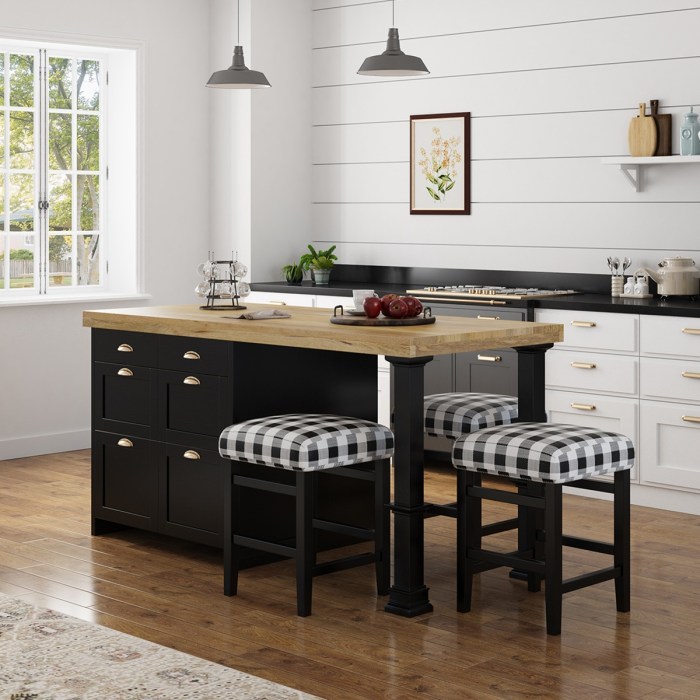
Choosing the right seating for your kitchen island is crucial for both comfort and aesthetics. Several styles are available, each offering a different look and feel. Counter stools are typically used with standard-height islands, while bar stools are designed for taller, bar-height islands. Banquette seating provides a more relaxed and cozy atmosphere, often incorporating built-in storage underneath. The best choice depends on your personal preferences, the island’s height, and the overall kitchen style.
Appropriate seat height is paramount for comfortable dining and working at the island. Standard island heights typically range from 36 to 42 inches, requiring counter stools with a seat height of 24 to 28 inches. Bar-height islands, usually around 42 to 48 inches, call for bar stools with a seat height of 28 to 32 inches. Peninsula heights often fall somewhere in between, requiring stools with adjustable heights.
Comfortable seating also requires attention to back support, armrests, and footrests. Stools with adjustable heights and lumbar support are particularly beneficial for extended use.
| Stool Type | Height Range (inches) | Materials | Price Range (USD) |
|---|---|---|---|
| Counter Stool | 24-28 | Wood, Metal, Upholstery | $50 – $300+ |
| Bar Stool | 28-32 | Metal, Wood, Leather, Vinyl | $75 – $500+ |
| Banquette Seating | Variable (based on island height) | Wood, Upholstery, Fabric | $200 – $1000+ (depending on size & features) |
Storage Solutions within Kitchen Islands
Source: sierralivingconcepts.com
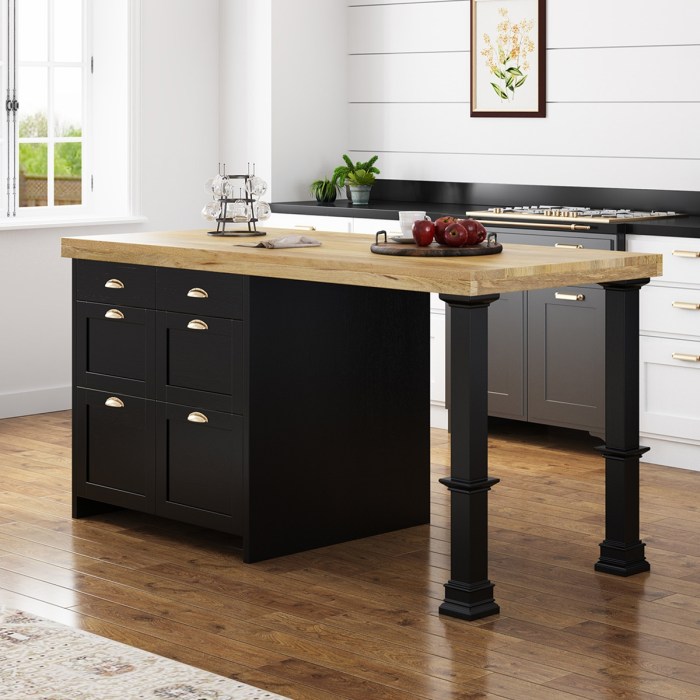
Maximizing storage within a kitchen island is key to creating a functional and organized kitchen. A variety of storage options can be incorporated, including drawers, cabinets, open shelving, and pull-out organizers. Each type offers unique advantages and disadvantages depending on the items you need to store.
Drawers are ideal for storing pots, pans, and utensils, providing easy access and visibility. Cabinets are suitable for larger items like small appliances and dishes, offering concealed storage. Open shelving is perfect for displaying decorative items or frequently used items, but requires regular dusting. Pull-out organizers, such as spice racks and waste bins, maximize space and improve accessibility. Clever organization techniques, like dividers, lazy susans, and vertical storage solutions, can further enhance storage efficiency.
- Pantry Items: Pull-out pantry shelves, deep drawers with dividers, wire baskets.
- Cookware: Deep drawers with pot and pan organizers, pull-out shelves for heavy items.
- Dishes: Cabinets with adjustable shelves, dish racks, glass-front cabinets for display.
- Utensils: Drawer dividers, knife blocks, utensil organizers.
- Cleaning Supplies: Dedicated cabinet with pull-out organizers for bottles and sprays.
Island Design Styles & Aesthetics
The design of your kitchen island should seamlessly complement the overall style of your kitchen. Whether you prefer a modern, farmhouse, traditional, or transitional aesthetic, the island should reflect that style through its finishes, materials, and hardware. A cohesive design creates a harmonious and inviting space.
Common island finishes and materials include wood, granite, quartz, stainless steel, and painted cabinetry. Wood islands offer a warm and natural look, while granite and quartz provide durability and sophistication. Stainless steel islands are popular in modern kitchens, offering a sleek and industrial aesthetic. Painted cabinetry allows for customization and can be matched to existing kitchen cabinets. The color and hardware choices also significantly impact the kitchen’s aesthetic.
Neutral colors create a calming atmosphere, while bold colors add personality and vibrancy. Hardware, such as knobs and pulls, can be used to complement the overall style.
| Island Style | Materials | Colors | Kitchen Style |
|---|---|---|---|
| Modern | Stainless Steel, Quartz, Laminate | Gray, White, Black | Contemporary, Minimalist |
| Farmhouse | Wood, Shiplap, Butcher Block | White, Cream, Natural Wood Tones | Rustic, Country |
| Traditional | Wood, Granite, Painted Cabinetry | Warm Wood Tones, Rich Colors | Classic, Formal |
| Transitional | Mix of Materials (Wood, Quartz, etc.) | Neutral Colors with Accents | Versatile, Blends Styles |
Island Size & Layout Considerations
Determining the appropriate size and layout for your kitchen island is crucial for functionality and flow. Several factors influence island size, including kitchen dimensions, workflow, seating capacity, and storage needs. A well-sized island should provide ample workspace without obstructing movement or creating a cramped feeling.
Recommended clearances around the island are typically 36 to 48 inches for comfortable movement and appliance access. This allows enough space for people to walk around the island without bumping into each other or obstacles. Island placement options include centered, offset, and parallel to existing cabinets. A centered island creates a symmetrical look, while an offset island can better accommodate existing kitchen layouts.
To determine optimal dimensions, consider the size of your kitchen and the intended use of the island. A smaller kitchen may benefit from a smaller island, while a larger kitchen can accommodate a more substantial island.
Integrating Appliances into Kitchen Islands
Incorporating appliances into kitchen islands can significantly enhance functionality and convenience. Common appliances to integrate include cooktops, sinks, dishwashers, wine refrigerators, and microwaves. This creates a dedicated zone for specific tasks, streamlining the cooking process.
Appliance integration requires careful planning regarding plumbing and electrical requirements. Cooktops and sinks require gas or electrical connections and plumbing lines. Dishwashers require both plumbing and electrical connections. Wine refrigerators and microwaves also require electrical outlets. Safety considerations are paramount when installing appliances in islands, including proper ventilation for cooktops and ensuring electrical connections are made by a qualified electrician.
- Cooktop: $500 – $2000+ (plus installation costs)
-Moderate complexity. - Sink: $300 – $1500+ (plus plumbing costs)
-Moderate complexity. - Dishwasher: $600 – $1500+ (plus plumbing & electrical costs)
-High complexity. - Wine Fridge: $500 – $3000+ (plus electrical costs)
-Low complexity. - Microwave: $100 – $500+ (plus electrical costs)
-Low complexity.
Lighting for Kitchen Islands
Proper lighting is essential for creating a functional and inviting kitchen island. Different types of lighting are suitable for islands, including pendant lights, recessed lighting, and under-cabinet lighting. Each type serves a different purpose and contributes to the overall illumination of the space.
Pendant lights are ideal for providing focused task lighting over the island, while recessed lighting offers ambient illumination. Under-cabinet lighting illuminates the countertop, enhancing visibility during food preparation. Choosing appropriate lighting fixtures depends on the island’s size, style, and function. Layering lighting is crucial for optimal illumination and ambiance, combining different types of lighting to create a well-lit and inviting space.
A well-designed kitchen island lighting scheme might include three pendant lights with warm white LED bulbs (3000K) suspended 30-36 inches above the island surface. Recessed lighting can provide general illumination, while under-cabinet lighting highlights the countertop for task lighting. Dimmers allow for adjusting the light intensity to create the desired ambiance.
Materials & Durability
Selecting the right countertop material for your kitchen island is crucial for both aesthetics and durability. Common materials include granite, quartz, butcher block, laminate, and concrete. Each material offers unique properties regarding durability, maintenance, and cost.
Granite is a natural stone known for its durability and heat resistance. Quartz is an engineered stone that offers similar benefits with added consistency in color and pattern. Butcher block provides a warm and natural look but requires regular oiling and maintenance. Laminate is an affordable option but is less durable than other materials. Concrete offers a modern and industrial aesthetic but can be prone to cracking.
Lifestyle, budget, and aesthetic preferences should all influence material selection.
| Material | Durability | Maintenance | Cost |
|---|---|---|---|
| Granite | High | Sealing required periodically | $50 – $150+ per square foot |
| Quartz | Very High | Low – Non-porous | $50 – $100+ per square foot |
| Butcher Block | Moderate | Regular oiling & sealing | $40 – $80+ per square foot |
| Laminate | Low | Easy to clean | $20 – $40 per square foot |
Accessibility & Universal Design
Incorporating accessibility features into kitchen island designs is essential for creating a kitchen that is usable by everyone, regardless of their abilities. This includes considering the needs of users with disabilities, such as wheelchair users or individuals with limited mobility.
Adjustable-height islands offer significant benefits, allowing users to customize the island’s height to suit their needs. This is particularly helpful for wheelchair users, who may require a lower countertop height. Considerations for wheelchair access include ensuring sufficient space around the island for maneuverability and providing knee clearance underneath the countertop. Designing an island that accommodates diverse needs promotes inclusivity and ensures that everyone can enjoy the kitchen space.
Unique Island Features & Customizations, Kitchen island designs with seating and storage
Beyond the basics, kitchen islands can be customized with innovative features to enhance functionality and reflect individual style. These features can include charging stations for electronic devices, built-in knife blocks, pop-up outlets, and hidden storage compartments.
Personalizing an island to reflect individual preferences can involve choosing unique finishes, hardware, and accessories. Incorporating sustainable materials, such as reclaimed wood or bamboo, and eco-friendly design elements, such as energy-efficient appliances, can further enhance the island’s appeal. A highly customized kitchen island might feature a built-in wine refrigerator, a pull-out cutting board, a spice rack integrated into a drawer, and a charging station concealed within a cabinet.
Epilogue
Source: thespruce.com
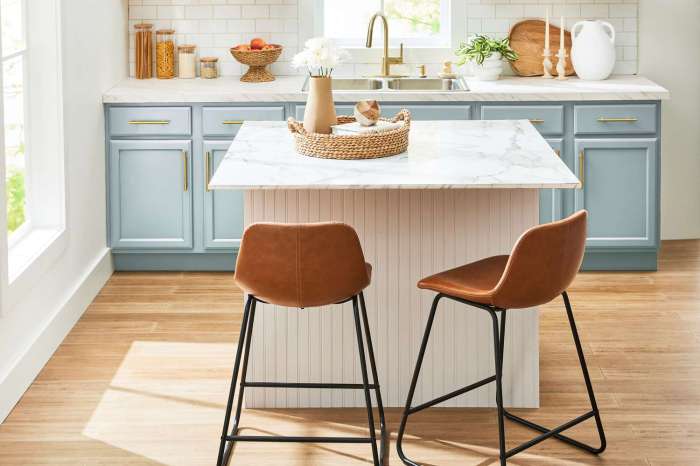
Ultimately, the ideal kitchen island design with seating and storage is a reflection of your lifestyle and kitchen’s unique character. By thoughtfully considering factors like size, layout, materials, and functionality, you can create a space that not only enhances your kitchen’s efficiency but also becomes a cherished gathering place for years to come. Investing in a well-planned island is an investment in the heart of your home, offering a blend of practicality, style, and enduring value.
Remember to prioritize both form and function, ensuring the island seamlessly integrates with your existing kitchen design while providing ample storage and comfortable seating. With careful planning and attention to detail, you can transform your kitchen into a truly inviting and functional space.
Essential Questionnaire: Kitchen Island Designs With Seating And Storage
What is the standard depth for a kitchen island?
A standard kitchen island depth typically ranges from 24 to 36 inches. Deeper islands offer more storage and counter space, but ensure sufficient clearance for comfortable movement around the island.
How do I choose the right countertop material?
Countertop material selection depends on your budget, lifestyle, and aesthetic preferences. Quartz is durable and low-maintenance, granite offers a classic look, butcher block provides warmth, and laminate is a cost-effective option.
What is the minimum recommended aisle width around a kitchen island?
The minimum recommended aisle width is 36 inches, but 42-48 inches is preferable, especially if the island will have seating or appliances. This allows for comfortable movement and appliance access.
Can I install a sink in my kitchen island?
Yes, you can install a sink in a kitchen island, but it requires plumbing and electrical work. Ensure your floor can support the added weight and that you have adequate space for drainage and water supply lines.
How can I maximize storage in a smaller kitchen island?
Utilize pull-out organizers, vertical dividers, and adjustable shelving to maximize storage in a smaller island. Consider incorporating a combination of drawers and cabinets to accommodate different items.