Modern kitchen backsplash ideas easy to clean are essential for both aesthetic appeal and practical functionality in today’s homes. A well-chosen backsplash not only protects walls from splashes and spills but also significantly contributes to the overall design of the kitchen. Increasingly, homeowners are prioritizing materials and designs that minimize cleaning effort without sacrificing style. This guide explores a range of options, from classic tile to innovative non-tile surfaces, focusing on how to achieve a beautiful and easily maintained kitchen space.
Contemporary kitchen styles, such as minimalist, Scandinavian, and industrial, each offer unique approaches to backsplash design. Understanding these styles and the materials best suited for them is crucial for creating a cohesive and user-friendly kitchen environment. We will delve into color palettes, layout techniques, and cleaning methods to help you make informed decisions that balance beauty and convenience.
Modern Kitchen Backsplashes: A Guide to Style and Easy Cleaning
The kitchen has evolved from a purely functional space to the heart of the home, a gathering place for family and friends. As such, kitchen design has become increasingly sophisticated, with homeowners prioritizing both aesthetics and practicality. The backsplash, once a simple protective surface, now plays a crucial role in defining the kitchen’s style and overall ambiance. Modern kitchens demand backsplashes that are not only visually appealing but also easy to maintain, reflecting a desire for spaces that are beautiful and livable.
Today’s homeowners are increasingly busy, and the last thing they want to spend their precious time on is scrubbing stubborn stains. This has led to a surge in demand for backsplash materials and designs that minimize cleaning effort. The choice of material significantly impacts both the look of the kitchen and the amount of maintenance required. From classic tile to innovative alternatives, there’s a modern backsplash solution to suit every taste and lifestyle.
This guide explores the popular styles and materials available, focusing on those that offer both beauty and ease of cleaning.
Introduction to Modern Kitchen Backsplashes
Source: roomdsign.com
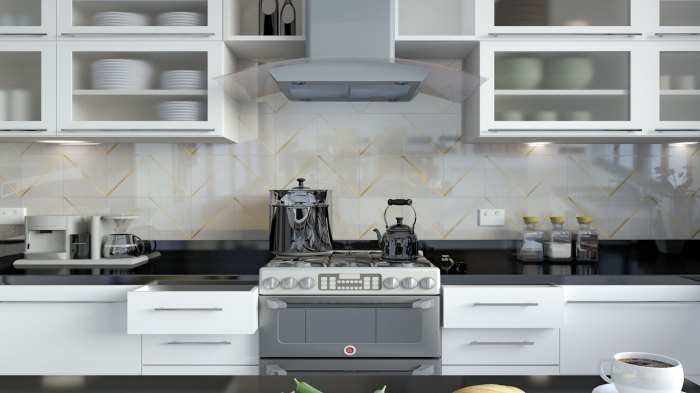
Contemporary kitchen design has seen the backsplash transition from a purely utilitarian element to a prominent design feature. It’s no longer simply about protecting the wall behind the stove; it’s about creating a focal point, adding texture, and expressing personal style. This shift has been accompanied by a growing awareness of the importance of low-maintenance surfaces.
Ease of cleaning has become a primary consideration for homeowners due to increasingly busy lifestyles and a desire for kitchens that look consistently fresh and inviting. A beautiful backsplash is only enjoyable if it’s relatively simple to keep clean. Stains from cooking splatters, grease, and everyday spills can quickly detract from the kitchen’s appeal, making cleanability a key factor in material selection.
Material choices have a significant impact on both the aesthetic appeal and the maintenance requirements of a backsplash. Certain materials, like glass and stainless steel, are naturally non-porous and easy to wipe down, while others, like natural stone, require more diligent sealing and cleaning. The style of the kitchen also influences material selection, with minimalist kitchens often favoring sleek, seamless surfaces, while more rustic kitchens might embrace the texture and character of natural stone or brick.
Popular modern styles include minimalist, characterized by clean lines and a neutral color palette; Scandinavian, emphasizing functionality, light colors, and natural materials; industrial, featuring raw materials like brick, concrete, and metal; and transitional, blending traditional and contemporary elements. Each style lends itself to different backsplash materials and designs, but all share a common thread of prioritizing both form and function.
Material Options: Tile
Tile remains a popular choice for kitchen backsplashes due to its versatility, durability, and wide range of design options. Several tile materials are well-suited for this application, each with its own unique characteristics and cleaning requirements. Ceramic and porcelain tiles are known for their affordability and resistance to water and stains. Glass tiles offer a sleek, modern look and are incredibly easy to clean.
Stone tiles, such as granite, marble, and travertine, provide a natural, luxurious aesthetic but require more maintenance to prevent staining and etching.
Cleaning requirements vary significantly between tile types. Ceramic and porcelain tiles are generally easy to clean with mild soap and water. Glass tiles are even simpler, requiring only a glass cleaner and a soft cloth. Stone tiles, however, are porous and require regular sealing to prevent stains. Acidic substances like lemon juice or vinegar can etch the surface of natural stone, so it’s important to clean up spills immediately and avoid harsh cleaning agents.
Grout type and color also play a crucial role in stain resistance and cleaning effort. Darker grout colors tend to hide stains better than lighter colors, but they can also show dirt more readily. Epoxy grout is a superior choice for kitchens as it is non-porous, stain-resistant, and requires minimal sealing. Cementitious grout, while more affordable, is porous and requires regular sealing to prevent staining and discoloration.
Here’s a table summarizing tile materials, durability ratings, and cleaning difficulty (on a scale of 1-5, with 1 being the easiest):
| Material | Durability | Cleaning Difficulty | Aesthetic Style |
|---|---|---|---|
| Ceramic | 8/10 | 2 | Traditional, Farmhouse, Modern |
| Porcelain | 9/10 | 2 | Modern, Contemporary, Industrial |
| Glass | 7/10 | 1 | Modern, Minimalist, Coastal |
| Granite | 9/10 | 4 | Traditional, Rustic, Transitional |
| Marble | 6/10 | 5 | Luxury, Classic, Traditional |
Material Options: Non-Tile Surfaces
Source: housedigest.com
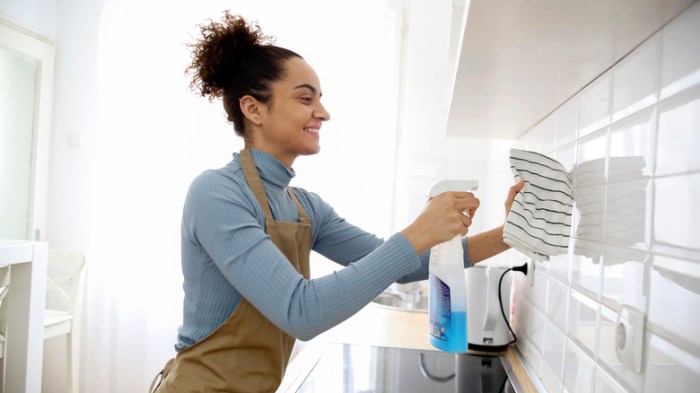
Beyond tile, several alternative materials can create a stunning and easy-to-clean kitchen backsplash. Stainless steel offers a sleek, industrial look and is incredibly durable and hygienic. Glass panels provide a seamless, modern aesthetic and are exceptionally easy to wipe down. Acrylic sheets are a more affordable option, offering a wide range of colors and patterns, but they are less heat-resistant than other materials.
Each material has its own advantages and disadvantages regarding cleaning and maintenance. Stainless steel is resistant to stains and corrosion but can show fingerprints and water spots. Glass panels are non-porous and easy to clean but can be prone to streaks. Acrylic sheets are easy to clean but can scratch or warp with prolonged exposure to heat.
Specific cleaning solutions are recommended for each non-tile surface. Stainless steel can be cleaned with a stainless steel cleaner or a mixture of vinegar and water. Glass panels can be cleaned with a glass cleaner and a soft cloth. Acrylic sheets can be cleaned with mild soap and water, avoiding abrasive cleaners.
Here’s a list outlining the pros and cons of each material, focusing on cleaning and longevity:
- Stainless Steel:
- Pros: Extremely durable, hygienic, easy to clean, heat-resistant.
- Cons: Shows fingerprints and water spots, can be expensive.
- Glass Panels:
- Pros: Non-porous, easy to clean, modern aesthetic, wide range of colors.
- Cons: Prone to streaks, can be fragile, requires professional installation.
- Acrylic:
- Pros: Affordable, wide range of colors and patterns, lightweight.
- Cons: Less heat-resistant, can scratch or warp, not as durable as other materials.
Color and Pattern Considerations for Easy Cleaning, Modern kitchen backsplash ideas easy to clean
The color and pattern of a backsplash can significantly impact how easily it appears clean. Lighter colors tend to reflect light and minimize the appearance of stains and splatters, while darker colors can highlight every imperfection. Simpler patterns, such as subway tiles or solid colors, are easier to clean than intricate mosaics or textured surfaces.
Textured surfaces, while visually appealing, can trap dirt and grease, making them more difficult to clean. The grooves and crevices provide hiding places for grime, requiring more effort to remove. Smooth, flat surfaces are much easier to wipe down and maintain.
Color palettes that are both modern and practical for high-use kitchens include light grays, whites, creams, and soft blues. These colors create a clean, airy feel and are less likely to show stains. Avoiding bold, contrasting colors can also help to minimize the appearance of splatters and spills.
Imagine a kitchen featuring a light grey subway tile backsplash with contrasting dark grout. The light grey tile provides a neutral backdrop that doesn’t show every speck of dirt, while the dark grout adds visual interest and defines the tile pattern. However, the dark grout will require more frequent cleaning than a light-colored grout, as it will highlight any stains or discoloration.
The overall effect is a clean, modern look that is relatively easy to maintain.
Conclusive Thoughts: Modern Kitchen Backsplash Ideas Easy To Clean
Source: nitrocdn.com
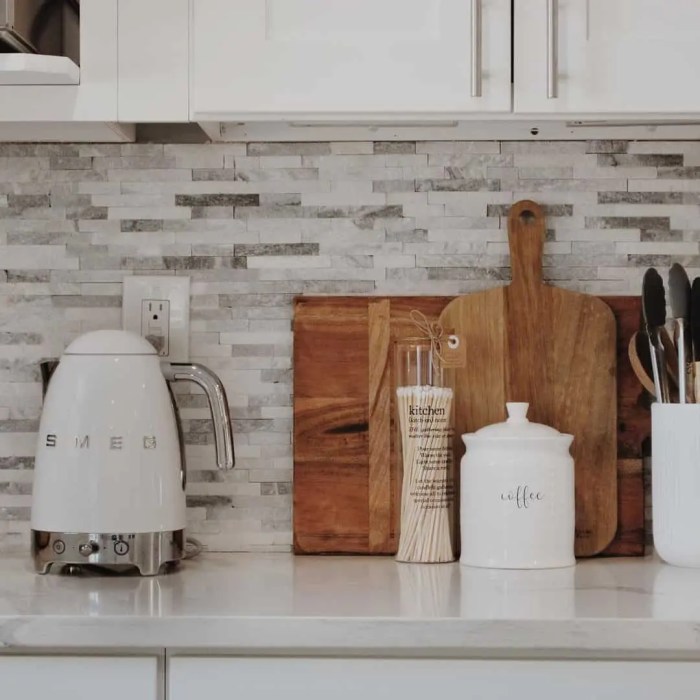
Ultimately, selecting the right modern kitchen backsplash ideas easy to clean involves a thoughtful consideration of materials, design, and maintenance. By prioritizing durability, stain resistance, and ease of cleaning, you can create a kitchen that is not only visually stunning but also a joy to use and maintain. Remember that proper installation, regular cleaning, and the use of appropriate cleaning products are key to preserving the beauty and longevity of your backsplash.
From the sleek simplicity of glass panels to the timeless appeal of ceramic tile, the options are vast. Investing in a backsplash that aligns with your lifestyle and design preferences will undoubtedly enhance your kitchen experience for years to come. A little planning and attention to detail can transform a potentially high-maintenance area into a showcase of style and practicality.
FAQs
What is the best backsplash material for a busy family kitchen?
Porcelain tile is an excellent choice for busy families due to its exceptional durability, stain resistance, and ease of cleaning. It can withstand heavy use and frequent cleaning without showing wear and tear.
How often should I seal my tile grout?
Grout should be sealed every 6-12 months, depending on the type of grout and the amount of use the kitchen receives. Regular sealing helps prevent staining and water damage, extending the life of your backsplash.
Are glass backsplashes difficult to clean?
While glass backsplashes are non-porous and easy to wipe down, they can show fingerprints and water spots easily. Regular cleaning with a glass cleaner is recommended to maintain their clarity.
What is the best way to remove grease splatters from a stainless steel backsplash?
Use a stainless steel cleaner and a microfiber cloth. Wipe in the direction of the grain to avoid streaks. For stubborn grease, a paste of baking soda and water can be effective.
Can I install a backsplash over existing wallpaper?
No, wallpaper must be removed before installing a backsplash. The wall surface needs to be clean, dry, and properly prepared to ensure proper adhesion of the tile or other backsplash material.